




A rapid roller door can improve far more than just access to your facility. The right door can help reduce energy costs, improve traffic flow, maintain temperature control and minimise downtime. The wrong one can lead to ongoing repairs, operational delays and higher long-term costs.
Before you approve a purchase, make sure you're asking the right questions. Here are seven that every facility manager should consider.
1. What Problem Am I Trying to Solve?
Not every rapid roller door is designed for the same application.
Start by identifying your primary objective. Is it to:
- Reduce heat or cold air loss?
- Improve forklift traffic flow?
- Maintain hygiene between production areas?
- Protect against dust, insects or pests?
- Increase workplace safety?
- Reduce damage to existing doors?
Understanding the operational problem first will help ensure the solution is fit for purpose.
2. Is This Door Designed for My Environment?
A warehouse dispatch area has very different requirements to a freezer, food processing plant or automotive workshop.
Consider factors such as:
- Internal and external temperatures
- Wind exposure
- Traffic frequency
- Moisture or wash-down requirements
- Hygiene standards
- Opening size
- Operating hours
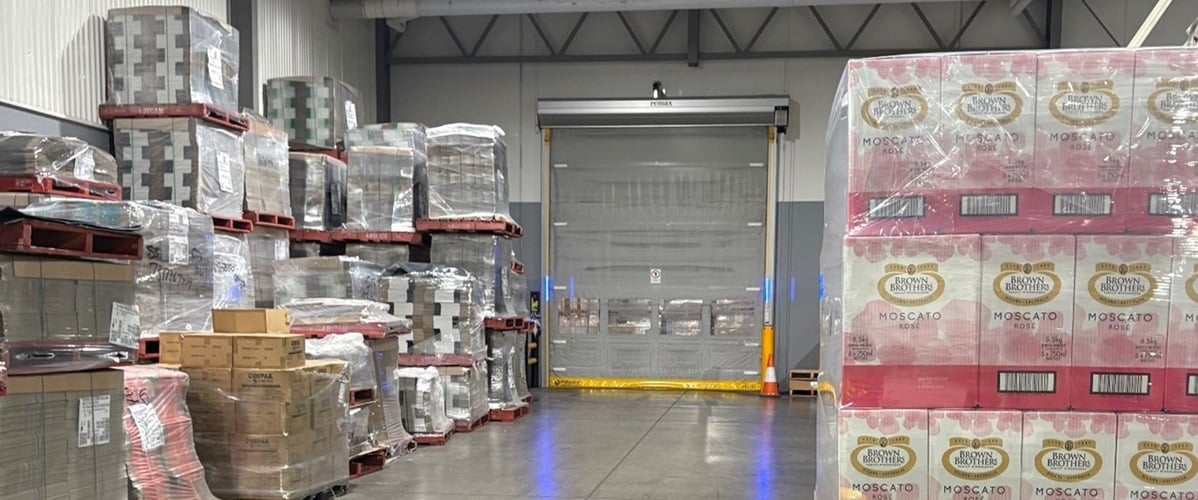
A supplier should recommend a door based on how your facility operates, not simply offer a standard product. Check out: Enhancing Efficiency and Temperature Control at Brown Family Wine Group
3. What Will This Door Cost Over Its Lifetime?
Purchase price is only one part of the investment.
Ask about the total cost of ownership, including:
- Energy savings
- Preventative maintenance
- Spare parts availability
- Repair costs
- Rapid Doors engineered to withstand impact
- Expected service life
- Downtime following accidental impacts
A well-engineered, high-quality rapid roller door may have a higher upfront cost, but it often delivers significantly lower operating and maintenance costs over its lifetime.
For example, the Movidor range from Remax Doors features a Self Repair System that automatically guides the curtain back into its tracks after a forklift impact. In many cases, the door can resume normal operation without requiring a service call.
By comparison, doors with a rigid bottom edge are more susceptible to damage during impacts. A single collision may result in technician call-out fees, replacement parts, production downtime, or even the need for a complete door replacement. Over the life of the door, these repair costs and operational disruptions can quickly outweigh any initial saving made at the time of purchase.
4. What Happens If the Door IS Damaged?
Forklift impacts are one of the most common causes of downtime in industrial facilities.
Ask your supplier:
- Can the curtain self-realign after an impact?
- How long does a typical repair take?
- Are replacement parts stocked locally?
- Is emergency service available?
Every hour a damaged doorway remains out of service can affect productivity, temperature control and staff safety.
5. How Will This Door Improve Safety?
Rapid roller doors should contribute to a safer workplace, not introduce new risks.
Ask about available safety features such as:
- Presence detection sensors
- Safety light curtains
- Soft bottom edge protection
- Traffic lights
- Audible warnings
- Emergency opening systems
Your supplier should also explain how the door complies with relevant Australian Standards and how those safety systems suit your specific application. Read this blog: Door Safety Sensors for Busy Sites.
.jpg?width=388&height=291&name=Traffic%20Lights_Blue%20(Medium).jpg)
6. What Support Will I Receive After Installation?
The installation is only the beginning.
Reliable suppliers provide ongoing support through:
- Preventative maintenance programs
- Scheduled servicing
- National technician coverage
- Technical advice
- Emergency breakdown response
- Spare parts availability
Long-term support helps maximise uptime and extend the life of your investment.

7. Can the Supplier Demonstrate Proven Performance?
The best suppliers can show evidence that their products perform in real operating environments.
Ask to see:
- Case studies
- Customer testimonials
- Similar installations
- Industry experience
- Service capability
- Product certifications
Real-world examples often provide more confidence than product brochures alone.
Bonus Question: Will This Door Still Meet My Needs in Five Years?
Facilities evolve. Traffic volumes increase, layouts change and production expands.
When selecting a rapid roller door, consider future requirements as well as today's needs. Investing in a solution that can continue supporting your operation helps avoid premature replacement or costly upgrades later. Suppliers who ask questions like this at the initial consultation are looking out for your long term success! Check out the blog: How to Choose a Rapid Roller Door Supplier
The Best Buying Decisions Start With the Right Questions
Choosing a rapid roller door isn't simply about selecting a product. It's about finding a solution that improves the performance of your facility every day.
By asking the right questions before you buy, you'll be better equipped to choose a door that delivers reliable operation, lower maintenance costs, improved safety and long-term value.
Whether you're replacing an ageing door, expanding your warehouse or designing a new facility, taking the time to evaluate your options carefully will pay dividends for years to come.
Need Help Choosing the Right Rapid Roller Door?
Our team works with facility managers across food processing, logistics, manufacturing and cold storage to recommend solutions based on operational requirements, not just product specifications.
If you're planning an upgrade, contact us to discuss your application and receive advice tailored to your facility.