



For food, beverage and fresh produce processors, maintaining the right temperature is essential. But temperature control isn't only about the refrigeration system. The doors used between ambient, chilled and frozen areas can also affect how well these environments perform.
Every time a chiller or freezer door opens, warmer air can enter the temperature-controlled space. Depending on the temperature difference, humidity levels and frequency of use, this can contribute to condensation, ice build-up and additional demand on refrigeration systems. So, what should you consider when selecting a chiller or freezer door?
1. Temperature differences between areas
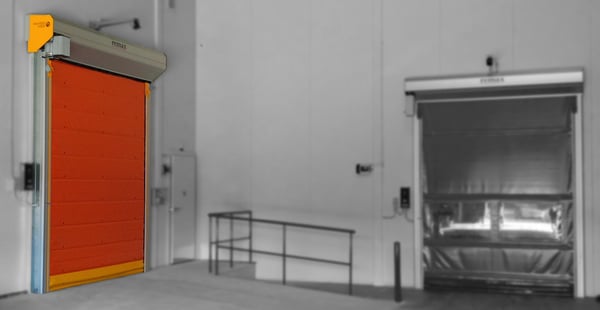
One of the first things to consider is the temperature on each side of the opening. The greater the difference between the cold space and the surrounding environment, the more important it becomes to manage the movement of air through the doorway. This is particularly relevant for freezer applications, where warm, moisture-laden air entering the space can quickly create problems.
Understanding the operating temperatures on both sides of the door provides a useful starting point when assessing the type of door and configuration required.
2. Humidity and condensation
Condensation is a common challenge around chilled and frozen environments. When warm, humid air comes into contact with colder surfaces, moisture can form. In freezer environments, that moisture can freeze and lead to ice build-up around the doorway, door components and surrounding floor.
Apart from creating additional cleaning and maintenance requirements, moisture and ice can contribute to slippery surfaces and other operational issues. The conditions outside the cold space therefore matter just as much as the temperature inside it.
3. How often the door opens
A freezer door that opens a handful of times each day has very different requirements from one used continuously by forklifts, pallet movements or production staff.
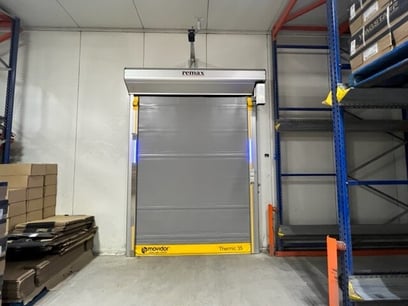
In a high-traffic facility, every second the doorway remains open provides another opportunity for air to move between environments. Understanding your traffic patterns, including who or what uses the opening, how frequently and at what times of day, can help determine the most appropriate door solution. Speak to a Remax Doors consultant today to talk through Australian Made Rapid Roller Door options such as the Movichill Door for freezer environments or Thermic Insulated Movidor Rapid Door for coolroom environments.
4. Opening and closing speed
Opening speed becomes particularly important when an entrance is used frequently. A door that opens and closes quickly can help reduce the amount of time the opening is exposed, limiting uncontrolled air exchange between the two environments.
However, speed shouldn't be considered in isolation. The door also needs to suit the traffic using it, the dimensions of the opening and the operational requirements of the facility.
5. Insulation and sealing
Insulation helps reduce unwanted heat transfer between areas, while effective sealing helps limit air movement when the door is closed. Both need to be considered in relation to the operating environment.
The appropriate level of insulation will depend on factors such as the temperature difference between adjoining spaces, how the doorway is used and the overall design of the cold-storage area.
6. Traffic flow and facility layout
Sometimes the challenge isn't simply choosing a different door. The layout surrounding the opening can also influence performance. Consider how forklifts, pallet loads and employees approach and move through the doorway.
Is the door opening directly into a warm or humid area? Is it constantly exposed because of heavy traffic? Are vehicles regularly waiting for the door to open? Looking at the entire traffic flow can reveal opportunities that aren't obvious when assessing the door by itself.
7. Whether an airlock should be considered
Where there is a significant difference in temperature or humidity between adjoining areas, an airlock arrangement may be worth considering. Rather than opening a freezer directly into an ambient area, two doors create an intermediate space between the environments.
Depending on the facility and application, this type of configuration can help reduce direct air exchange and provide greater separation between temperature zones. An airlock isn't necessary for every cold-storage application, which is why the wider operating environment needs to be assessed before deciding on a configuration.
8. Safety and day-to-day operation
A door can look right on a specification sheet but still be poorly suited to the way a facility actually operates.
Consider practical questions such as:
- Will forklifts and pedestrians use the same opening?
- How frequently will the door operate?
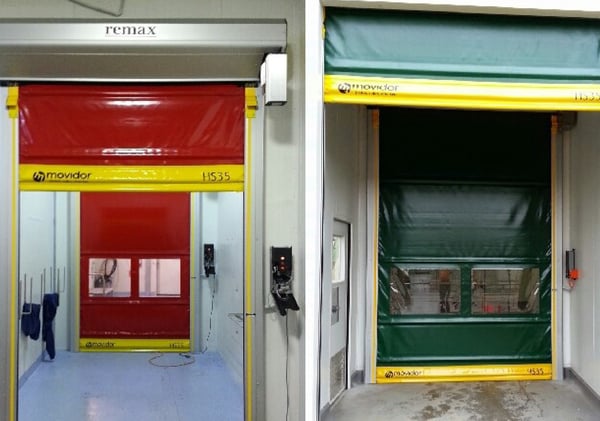
- Is visibility through the opening important?
- What happens if a door is struck?
- Could condensation or ice create slippery areas?
- How easy is the door to clean and maintain?
- How will downtime affect production?
For food, beverage, fruit and vegetable processing facilities, hygiene and cleaning requirements should also form part of the selection process.
There isn't one 'best' freezer or chiller door
The right solution depends on the application. Operating temperature, humidity, traffic frequency, opening size, facility layout, insulation, safety and maintenance requirements can all influence which door and configuration will work best.
That's why it's useful to assess the complete opening and how it operates before focusing on a particular door. Speak to a Remax Doors consultant today to talk through Australian Made Rapid Roller Door options such as the Movichill Door for freezer environments or Thermic Insulated Movidor Rapid Door for coolroom environments.
Planning a chiller or freezer door project?
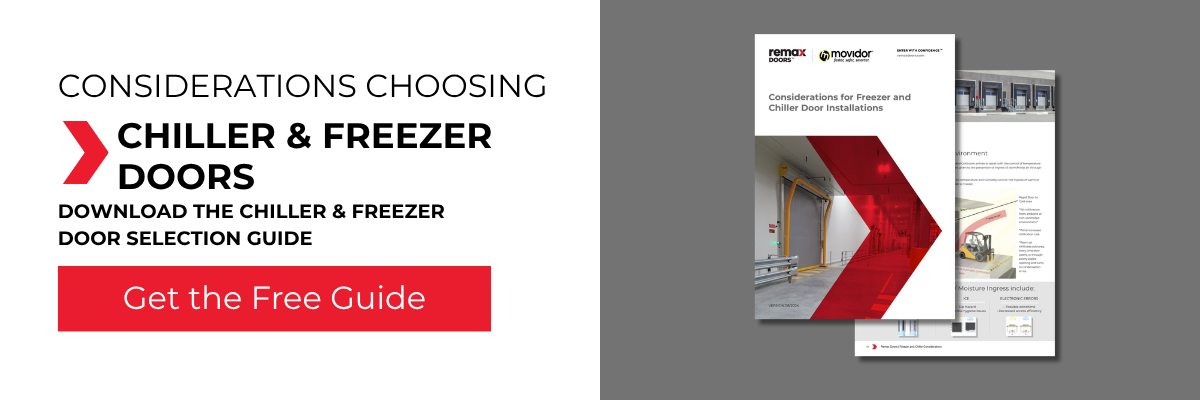
Whether you're upgrading an existing facility or planning a new one, our Chiller & Freezer Door Considerations Guide covers the key factors to consider when choosing the right solution.
It takes a closer look at cold-storage door applications and the considerations that can influence door selection and facility design.
No more forms and no extra steps. Simply download your free Chiller & Freezer Door Considerations Guide below.